Introduction
In the United States, Mother’s Day means breakfast in bed, a card from the drugstore, and a bouquet of pink carnations.
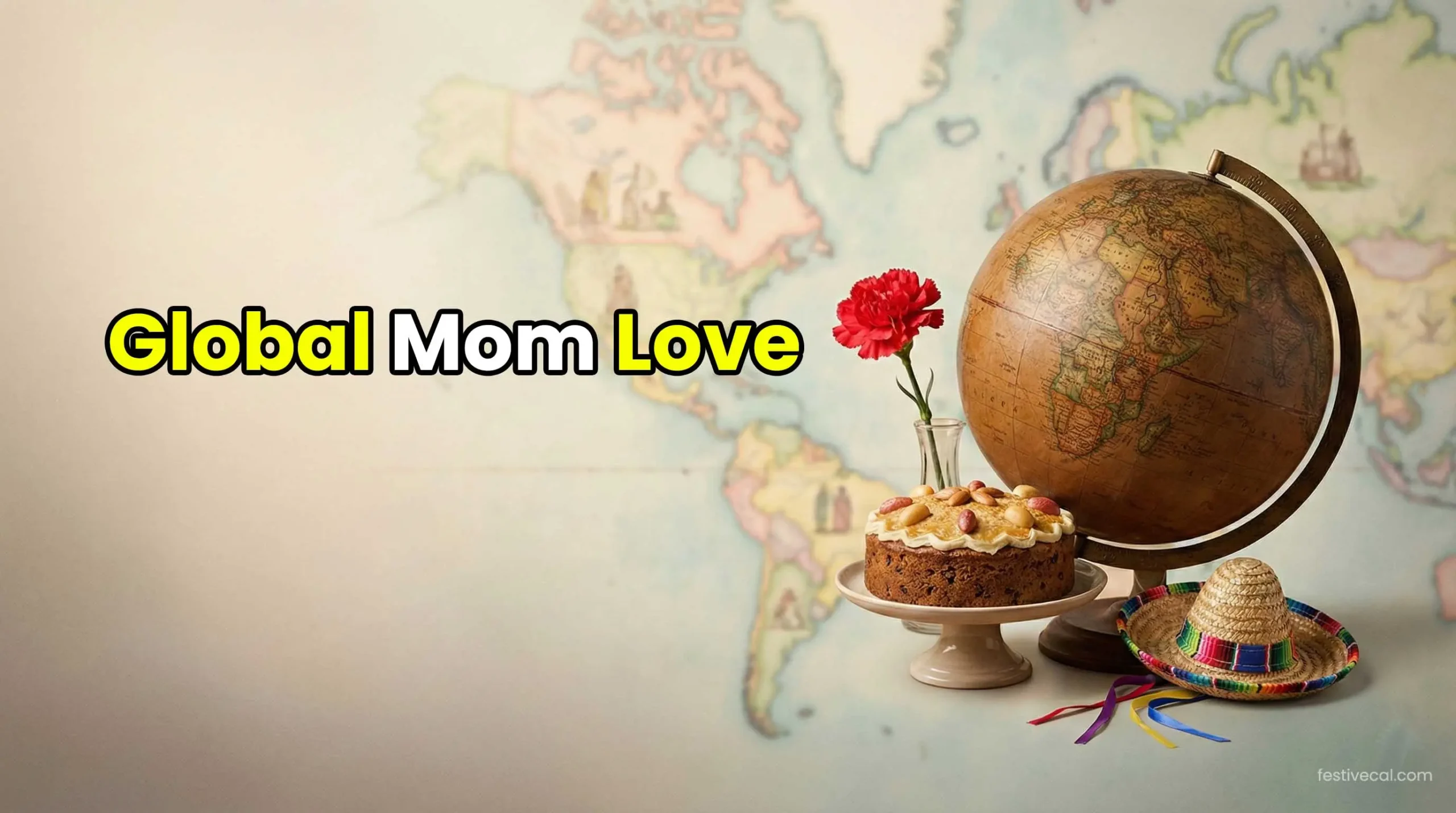
But have you ever wondered how the rest of the world honors Mom?
While the sentiment remains the same—love, gratitude, and appreciation—the traditions vary wildly. In some countries, it involves a three-day feast. In others, it is tied to religion or royalty. And believe it or not, millions of people celebrate it months before (or after) the US date of May 10th.
If you are a culture enthusiast or just curious about how other families celebrate, join us on a global tour.
Here are the most fascinating Mother’s Day traditions around the world.
1. United Kingdom: Mothering Sunday
If you have British friends, you might hear them wishing their moms a “Happy Mother’s Day” way back in March.
The History
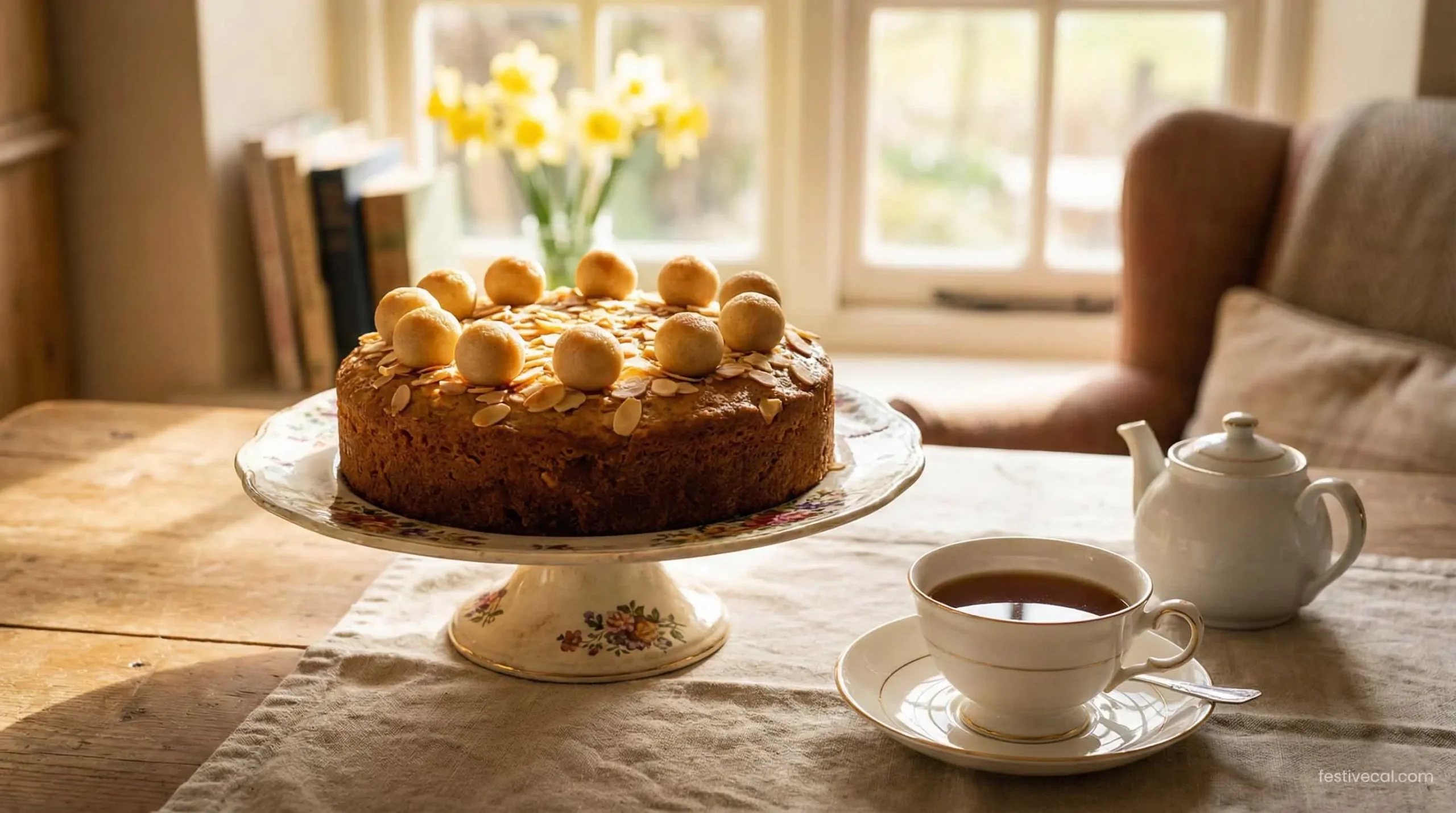
In the UK, the holiday is called “Mothering Sunday.” It is celebrated on the fourth Sunday of Lent (March 15, 2026). Historically, it wasn’t about mothers at all—it was a day for Christians to return to their “mother church” (the main cathedral in their area).
The Tradition: Simnel Cake
Over time, it became a day for domestic servants to be given the day off to visit their families. They would often bring a “Simnel Cake”—a light fruit cake topped with 11 balls of marzipan representing the 12 apostles (minus Judas).
2. Mexico: Dia de las Madres
In Mexico, Mother’s Day is a massive deal. It is arguably more significant than Valentine’s Day.
Fixed Date
Unlike the US, where the date floats, Mexico celebrates on a fixed date: May 10th (which coincides with the US date in 2026, making it a huge double celebration!).
The Music
The day often starts with “Las Mañanitas,” a traditional birthday song sung to the mother by her family (or sometimes by a hired Mariachi band!) first thing in the morning. It is a day of huge family feasts, music, and parties that last late into the night.
Want to cook a feast for your mom? You don’t need a Mariachi band to make her happy. Try our brunch recipes: Brunch Recipes
3. Japan: The Symbolism of Flowers
In Japan, Mother’s Day (Haha no Hi) became popular after World War II.
Red vs. White Carnations
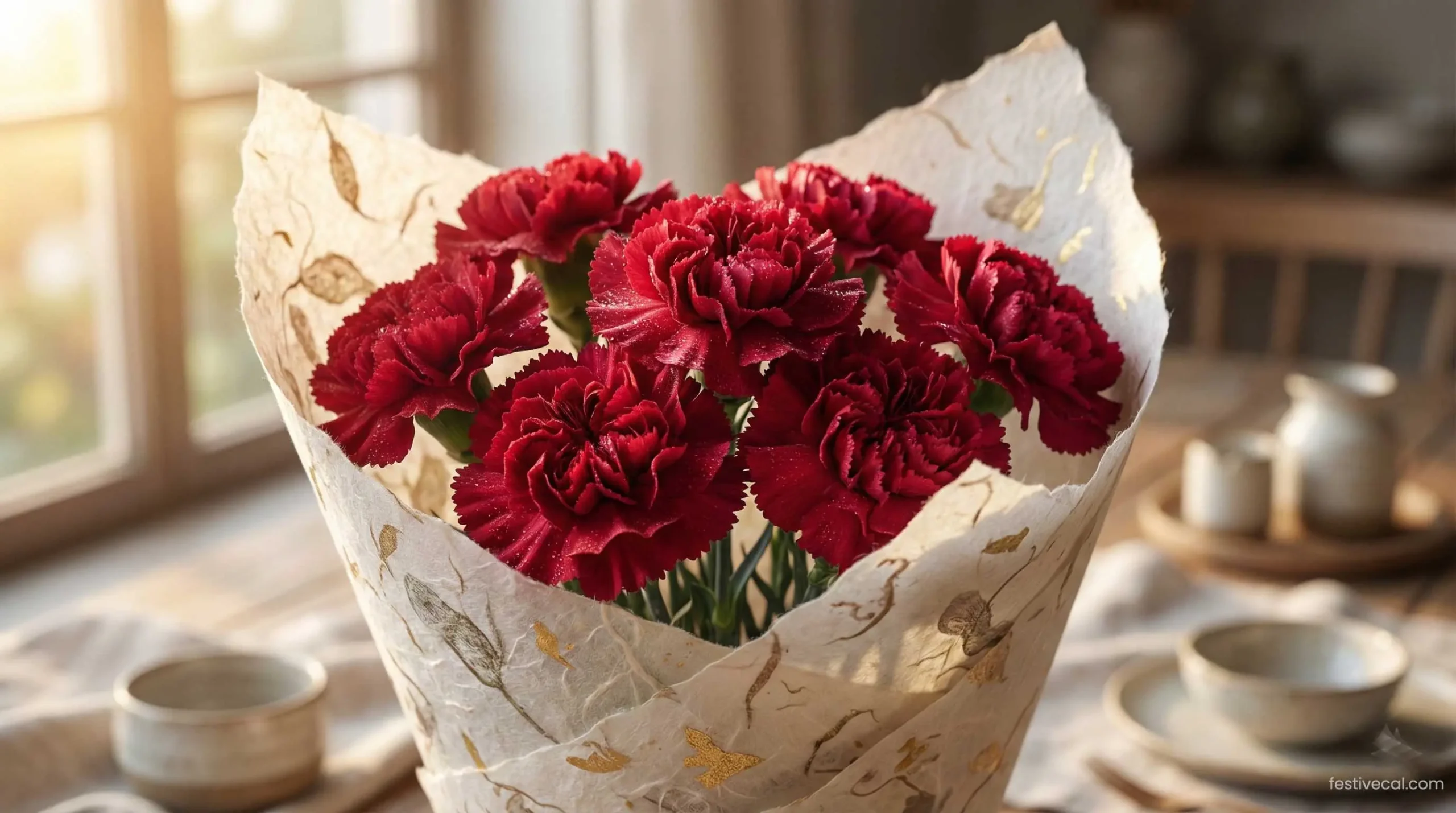
Children traditionally give their mothers red carnations, which symbolize a mother’s gentle strength. However, white carnations are strictly reserved for honoring a mother who has passed away.
The Art of Drawing
Young children often draw portraits of their mothers in school, which are sometimes entered into art contests or displayed in local convenience stores. It is a sweet, community-focused tradition.
4. Ethiopia: Antrosht
Why celebrate for one day when you can celebrate for three?
The Feast
In Ethiopia, Mother’s Day is celebrated at the end of the rainy season (usually October or November) as part of a three-day feast called “Antrosht.”
The Potluck
It is a communal affair. Daughters bring vegetables and cheese, while sons bring meat. Together, the family prepares a traditional hash meal. The celebration involves singing, dancing, and telling stories of family history.
5. Thailand: The Queen’s Birthday
In Thailand, Mother’s Day is tied to royalty.
August 12th
The holiday is celebrated on August 12th, which is the birthday of Her Majesty Queen Sirikit, who is regarded as the “Mother of all Thai people.”
Jasmine Flowers
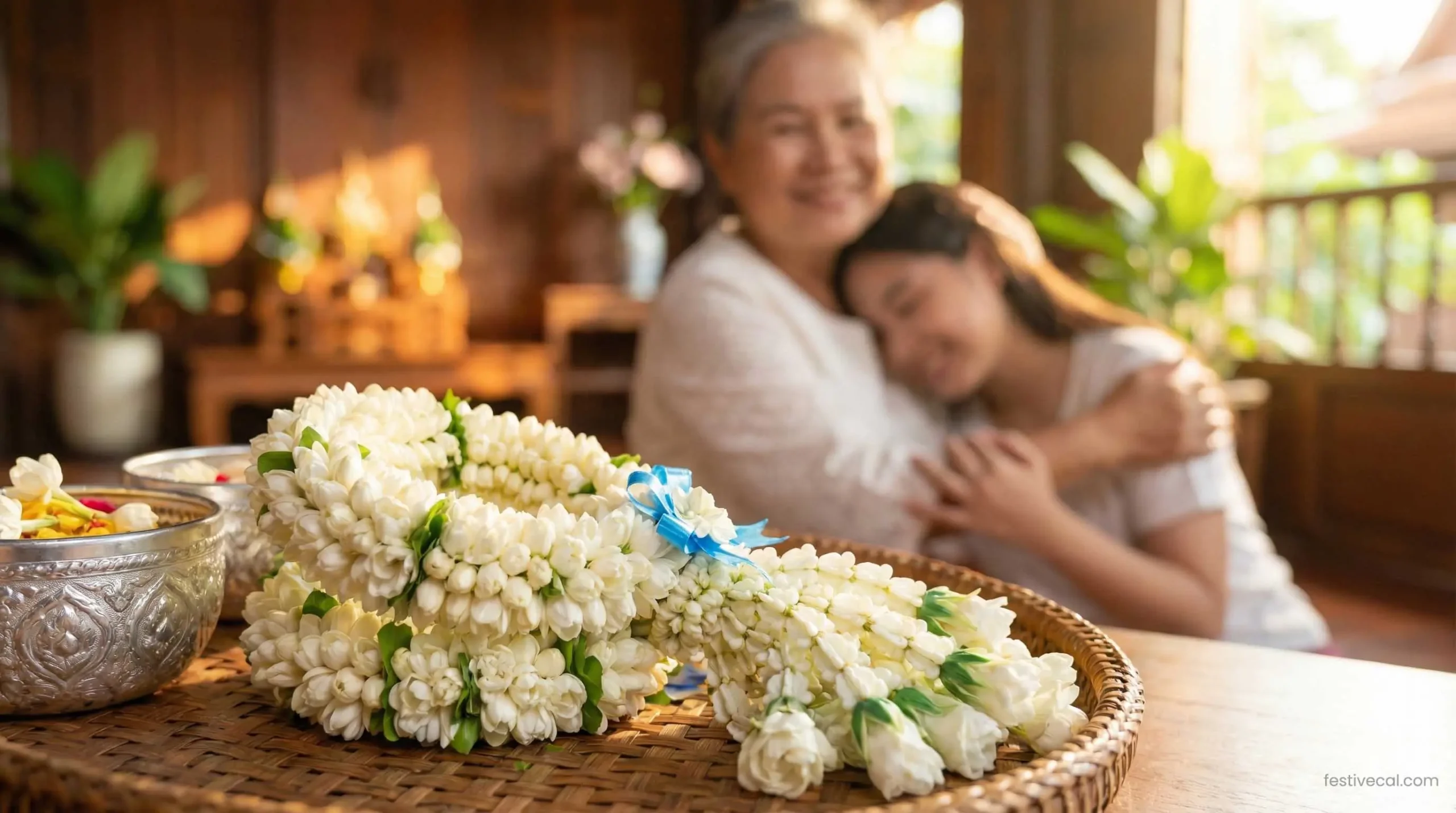
The traditional gift is not a carnation, but white jasmine. The flower represents purity and a mother’s unconditional love. On this day, you will see schools and streets decorated with lights and portraits of the Queen.
Looking for a meaningful gift? Jasmine smells amazing, but we have other scented ideas too. Check out our gift guide: Gift Guide
6. France: Fête des Mères
France celebrates a bit later than everyone else, usually on the last Sunday in May or the first Sunday in June.
The Medal of the Family
Historically, the government awarded the Médaille de la Famille to mothers of large families to encourage population growth. Today, it is more casual—celebrated with flower-shaped cakes and family dinners.
Final Thoughts
Whether you are eating Simnel cake in London, singing “Las Mañanitas” in Mexico City, or giving jasmine flowers in Bangkok, the core message is universal.
Mothers are the backbone of society. Understanding these traditions reminds us that while we are separated by borders, we are united by the love for the women who raised us.
How will you celebrate in 2026?
Frequently Asked Questions (FAQ)
1. Why is Mother’s Day on different dates?
It depends on the origin. The UK dates theirs based on the Christian calendar (Lent). Thailand bases theirs on the Queen’s birthday. The US (and many others) established the second Sunday in May largely due to Anna Jarvis’s campaign in the early 1900s.
2. Which country celebrates Mother’s Day the earliest?
Norway celebrates it first, on the second Sunday of February.
3. Do all countries give gifts?
Yes, but the type of gift varies. In Western cultures, bought gifts and cards are common. In places like Ethiopia or India, the focus is more on cooking a meal together and paying respect through touch (touching feet) or prayer.